
Why independent, and what that costs us.
Twenty seconds at the door. No search, no typing.Twenty seconds at the door.
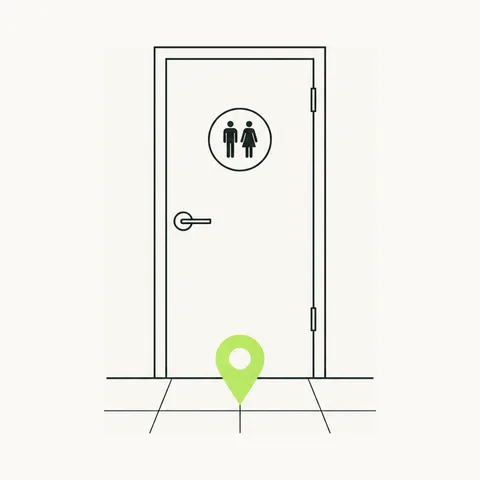
GPS fixes the location. If the toilet is new to us, it is created on the spot. If not, your measurement is added to it.
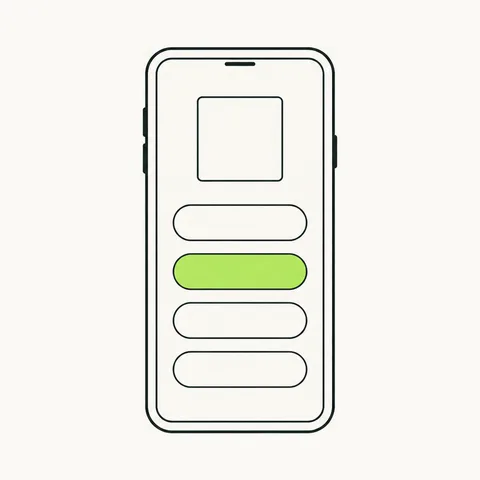
Smell, lock, paper, step-free access. Fixed questions with fixed answers, so two strangers measure the same thing.
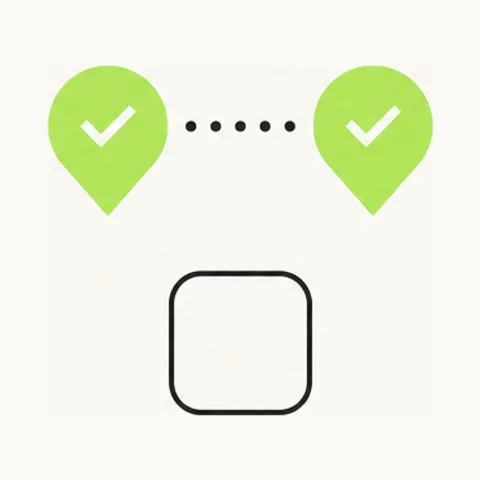
A single visit never publishes. Once two independent inspectors have measured at least a day apart, the toilet receives a Class A to D and appears on the map.
Four rules we will not bend.
A venue can request a measurement. It cannot submit one, edit one or pay to speed one up.
A clean toilet in March says nothing about October. Without fresh measurements a score fades to grey.
Each measurement carries a GPS fix and a timestamp. Remote submissions are rejected automatically.
A to D, each with a published definition. A 3.7 means nothing. "Class B: clean, lockable, no step-free access" does.
Four classes, each with a definition.
No stars and no average. A class says what to expect at the door, and the line between two classes is fixed.
Clean, stocked, safely lockable and well lit. No deficit observed.
Clean and usable, with one clear deficit, such as a step at the door or a flickering light.
Usable, but with several deficits: litter on the floor, smell, an empty holder or a doubtful lock.
Avoid until something changes. The operator can request a new measurement.
What counts most for you at a public toilet?
Tap the four points in order, the most important first. The poll is anonymous: we keep counters, never votes. From 500 votes onwards we use the outcome to calibrate the weights of the score.
Accessibility stays at 20 %: a LooView decision, not a poll outcome. Read why in the calculation method